
Or: How to Watch the Sky Bleed at an Ungodly Hour
Well, here we are again. The cosmos has decided — quite without consulting any of us — to put on a spectacular show at the sort of hour normally reserved for insomniacs, foxes, and people who’ve made questionable choices at a cury house. Tonight’s celestial offering is the Full Blood Worm Moon Eclipse, and frankly, it’s an absolute banger. Even if your alarm is not.
Let’s begin with the name, shall we? The Worm Moon. Of all the evocative, poetic monikers humanity might have chosen — the Thawing Moon, the Awakening Moon, the Moon of Lingering Winter Misery — our ancestors settled on Worm. One has to admire their commitment to the unglamorous. The name comes from the earthworms that begin to surface as the ground softens after winter, which is charming in a boots-on, muddy-hands sort of way. Though historians have also traced it to Captain Jonathan Carver, who in the 1760s noted it referred to beetle larvae emerging from thawing tree bark. Either way: worms. We’ve named March’s full moon after worms. Splendid.
The Full Worm Moon reaches its peak today, 3 March 2026, at 11:38 UTC — that’s 6:38 AM for those on the Eastern seaboard of the USA, who get to watch totality paint the sky just before sunrise. The eclipse reaches its greatest point at 11:33 UTC, with totality lasting from 11:04 to 12:03 UTC. Not bad for a Tuesday.
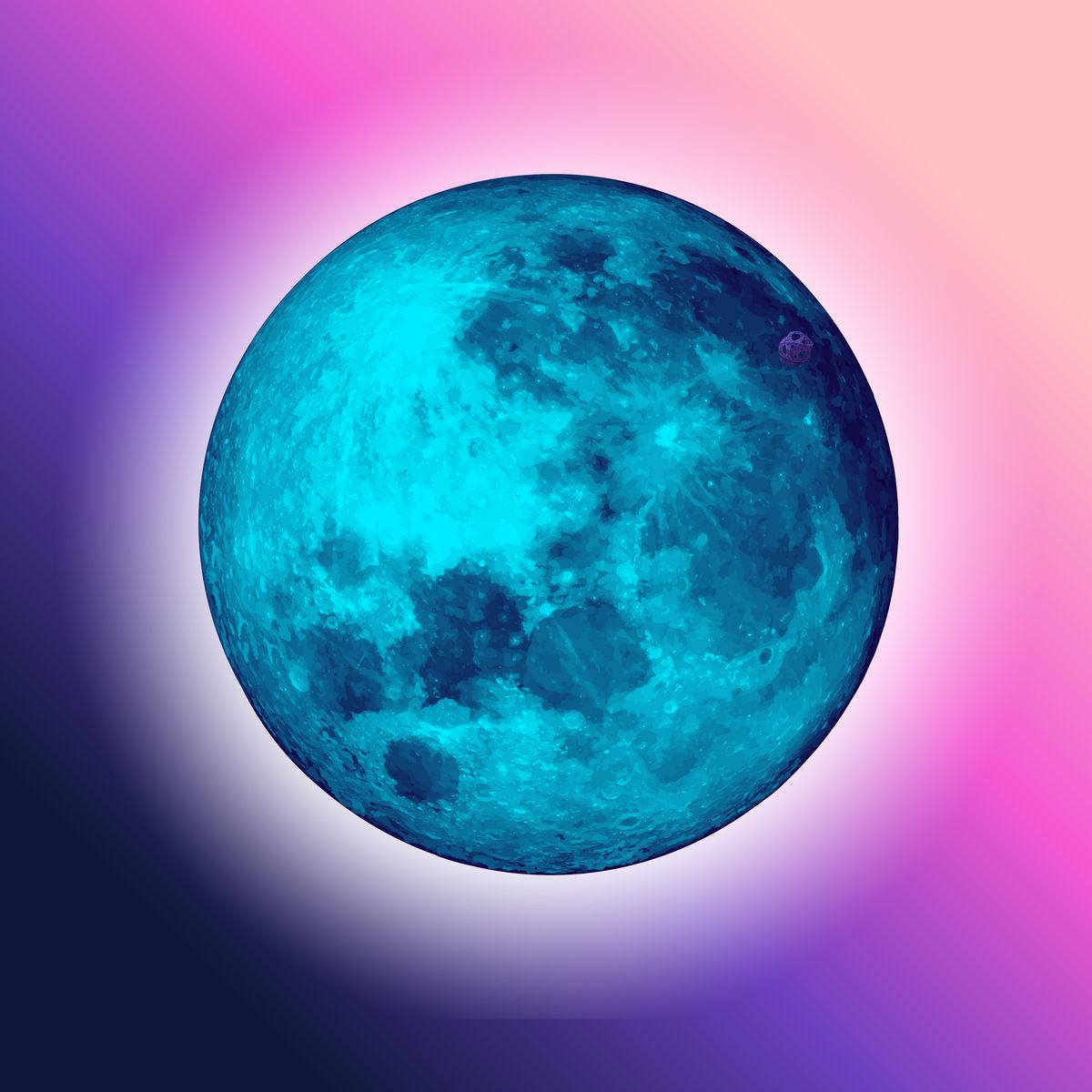
But the worms are almost beside the point today, because tonight’s moon has come dressed for the occasion. This is a total lunar eclipse — a Blood Moon — and it is, without question, one of the most genuinely impressive things the natural world can produce on a weekday. Earth slides between the Sun and the Moon, casting its shadow across the lunar surface, and the Moon turns a deep, otherworldly copper-red. It doesn’t disappear. It doesn’t go dark. It glows red, like a coal at the bottom of a very old fire.
The reason for this crimson theatre is rather beautiful, actually, even if you’re the sort of person who prefers their science served with a biscuit and a sit-down. When the Moon is in Earth’s shadow, it isn’t in total darkness — it’s bathed in every sunrise and sunset happening simultaneously around the entire edge of the Earth. All that refracted, reddened light bends around our planet and falls on the Moon. What you’re seeing, in other words, is the light of every dawn and dusk on Earth at once, reflected back at you from 384,000 kilometres away. Try not to get emotional about it in front of your neighbours.
Rayleigh scattering — the same phenomenon that makes sunsets red — is responsible for the Blood Moon’s colour. Shorter blue wavelengths scatter away in our atmosphere; the longer red wavelengths bend around the Earth and illuminate the Moon. The depth of red depends on how much dust and cloud is currently lurking in Earth’s atmosphere. A recent volcanic eruption can make the Moon go an extraordinry deep burgundy. Conversely, a very clear atmosphere gives you a brighter, more orange hue. Tonight is, essentially, your Moon wearing the Earth’s weather as a costume.
Now, this particular Blood Moon is notable for a couple of reasons beyond the obvious spectacle. First: it is the only total lunar eclipse of 2026. The next one won’t grace us until New Year’s Eve 2028, which feels like the universe’s idea of a treat — you’ll be welcoming the new year with the Moon turning red over your garden. Tonight, then, is the one and only chance to catch this particular trick for the better part of three years. Worth the bleary eyes.
Second, for those in the right spot on the globe — primarily the Pacific, North and Central America, East Asia, and Australia — there’s the tantalising possibility of witnessing a selenelion. This is the genuinely bonkers optical phenomenon in which, due to atmospheric refraction, you can see both the fully eclipsed red Moon and the rising Sun above the horizon at the same time. Geometrically, this should be impossible. The Moon ought to be below the horizon when the Sun is up. And yet. The Earth’s atmosphere bends light just enough to make both visible simultaneously, whch is the universe doing something technically illegal and absolutely getting away with it.
For us Brits: we’re afraid tonight’s eclipse is largely off the guest list for us. By the time totality begins, our Moon will have long since made its dignified exit below the western horizon. You’re welcome to watch a livestream and tell people you experienced it. We won’t judge. We’ll be doing the same.
The moon tonight sits in the constellation Leo the Lion, with the bright star Regulus keeping it company — a royal audience for a suitably dramatic occasion. Astrologers, meanwhile, will note the eclipse falls in Virgo (the full moon’s opposed sign), which apparently makes this an especially powerful time for examining your routines around diet and wellbeing. One suspects that being awake at 4 AM watching the sky go red is perhaps not peak wellness behaviour, but the cosmos has never been terribly consistent.
There are, of course, other names for March’s full moon — the Crow Moon, the Sap Moon, the Sugar Moon (marking when maple sap begins to flow), and the rather poignant Sore Eyes Moon of the Dakota and Lakota peoples, referring to the blinding glare of sunlight off late-winter snow. Each name is a small window into the lives of people who watched the same sky we watch tonight, who tracked the same seasons, and who presumably also had to get up very early and stand about in the cold to do it properly.
So: set the alarm, wrap yourself in something warm, find a dark spot away from street lights, and look up. The Blood Worm Moon Eclipse doesn’t need any ritual, any crystals, or any particular spiritual inclination to be staggering. It just needs you, the sky, and ideally a decent flask of tea. The universe is being extraordinarily generous this morning. It would be rather rude not to look.
Clear skies, dark hearts, and may your clouds have the good manners to stay put until morning.